Join Essenvia at RAPS Convergence 2026 — Booth #918
· Charlotte, 15–17 September
Read more →
Topic
Submissions
Getting a device through FDA review — 510(k), PMA and De Novo pathways, pre-submission strategy, predicate selection, and the errors that send a submission back.

What delays device registrations in Brazil, Mexico and India
Filing in a new market

When does a device change require a new submission?
A decision framework for multi-market portfolios

What is Section 513(g) and How Does it Work
One of the hardest parts of developing a new device is determining exactly how to proceed with regulatory pathway, especially in the case of devices where initial assessments indicate multiple potential classes or uncertainty around clearly-defined class.

Modern Regulatory (RIM) Platforms and Class III PMA
Class III PMA (pre-market approval) has a lot to offer for companies. In addition to getting clear approval for a device, Class III PMA also offers product protections similar in many respects to a patent, making it highly desirable.

10 Steps to Navigate the FDA eSTAR Submission Process
Step by step through the FDA eSTAR process: eligibility, attachments and the 4 GB limit, the required forms, and what happens at technical screening.

How to Handle Pre-Sub and Q-Sub Strategy for FDA Submissions
How to ask the FDA a question that gets a useful answer — with before-and-after examples of Pre-Sub questions on biocompatibility, De Novo and predicate choice.

Crossing the eStar Chasm
How to rapidly transition to FDA's mandatory eStar submission process.
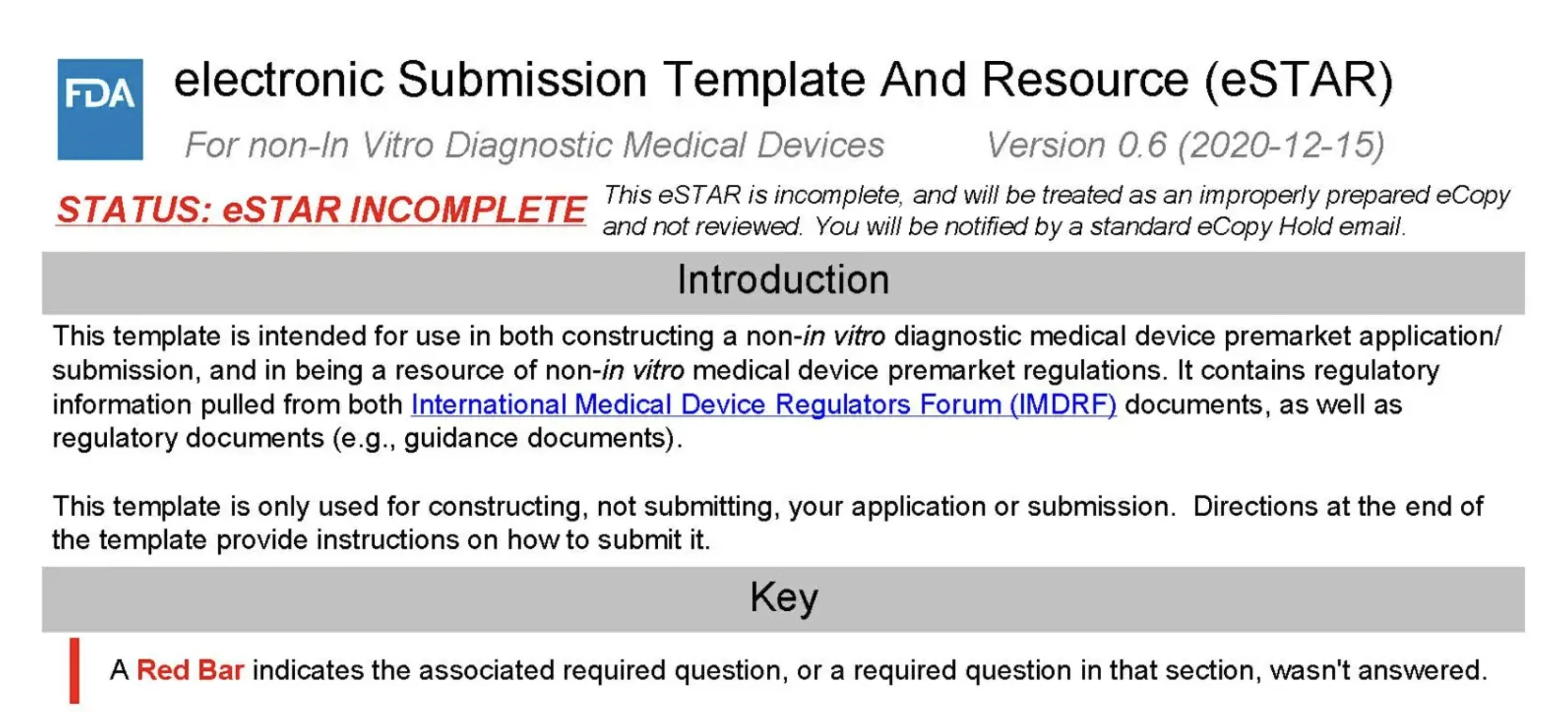
Your Guide to the FDA eSTAR program
How eSTAR works: what the template does, the two ways to submit, what you no longer need to include, and where submissions still run into trouble.

How to Document Risk in your 510(k)
You can document Risk in a 510(k) by comparing subject device with one or more similar legally marketed devices to support substantial equivalency claims. To legally market your medical device, you need to demonstrate it is as safe and effective as any other legally marketed product that is not subject to PMA (21 CFR 807.92(a)(3)). The blog describes key factors for documenting risk management in 510(k) submissions.
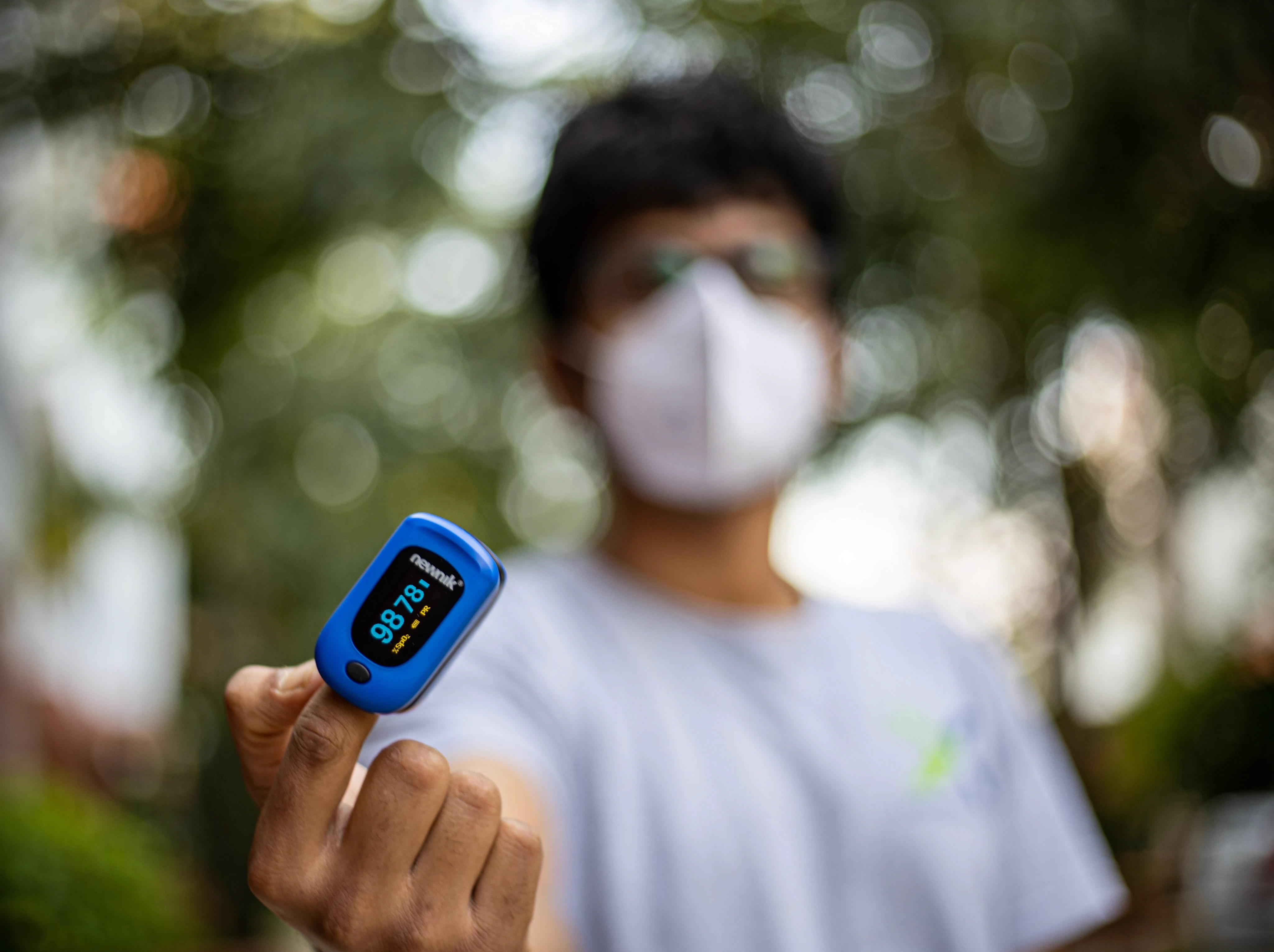
The Ultimate Guide to Medical Device Classification for US FDA and European Union’s Medical Device Regulation (MDR)
If a manufacturer plans to distribute a medical device to the market in the United States or Europe, the company must first ensure that the device is in compliance with each target region’s medical device classification requirements.

510k vs PMA Submissions for Medical Devices in the United States
When manufacturers plan to launch a medical device into the United States market, one of the most crucial steps is obtaining FDA clearance.

What does FDA Cleared vs. FDA Approved mean for Medical Devices?
Medical devices in the US (and the rest of the world) use a risk-based classification system that determines the rules and regulations and level of evidence necessary to obtain FDA permission to market a new or modified medical technology.

What do Regulatory Specialists need to know about searching the FDA 510(k) Database for Regulatory Strategy
Medical device manufacturers who intend to introduce a device into commercial distribution in the United States must submit a premarket notification – 510(k) or PMN to the FDA.This rule is applicable whether you are introducing a device for the first time, or planning a reintroduction with significant modifications.

5 Reasons You Shouldn’t Work on Your 510(k) Submission Alone
First, you conceptualize your idea for a new medical device. Your team has determined what medical issue it is going to resolve and how it will be used. Then, you research the current state of the market to understand the level of need and how to best position it.

The Top 5 Reasons The FDA Rejects A 510(k) Submission
If you have ever put together a 510(k) submission, you know exactly how massive of an undertaking this project becomes.